
Topics that could be covered in classes
The classes will cover hand building, slip casting, glazing, and wheel throwing. There are only 3 wheels in the studio. I have found over many years of classes that attendees prefer hand building and slip casting to wheel throwing. Throwing takes experience. I have been wheel throwing for thirty five years and still mess up at times. There are tricks to it that only experience can allow one to discover. In wheel throwing there is also the point at which you determine that the piece is not salvageable and you simply give up and recycle the clay to try again. All of the topics shown below are allowable topics for you to pursue. There are some people who have spoken to me stating that they particularly want to focus on wheel throwing. My thought is that being general in the topics will allow that to happen since only a few students will want to continually be throwing pots for their work. With hand building and slip casting you can do most anything in pottery and pottery is fun.
I am finding that quite a few participants would like to glaze some of the bisque pottery that I make. At this point we are doing it by figuring out a cost to the participants for a particular cup bowl or plate that I have made. Just wheel thrown pieces so far. Some bowls and plates are over 12 inches in diameter so not easy for a starting potter. Sometimes glazing is a very satisfying endeavor so I do not mind doing this with participants in the classes. I also have a large number of images of pieces made in the past generally with written descriptions of how they are glazed.
Most slip cast pieces are made in quantity and so have a small cost or the person working with the piece trims it themselves. I make bowls, plates, and cups that are fairly difficult pieces to make with wheel throwing.
Hand building and wheel throwing
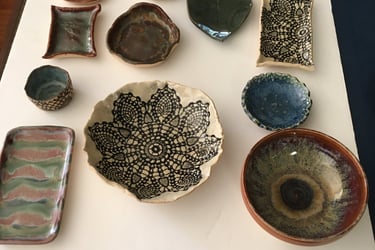
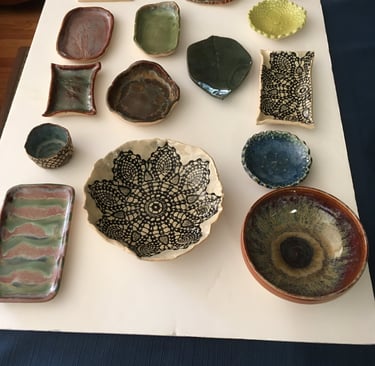
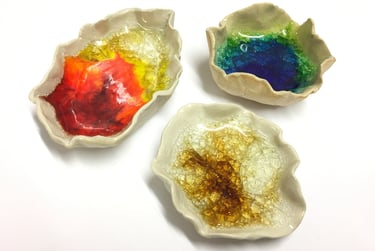
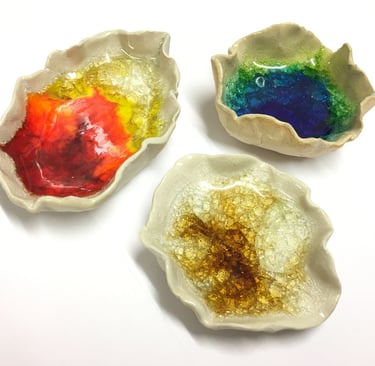
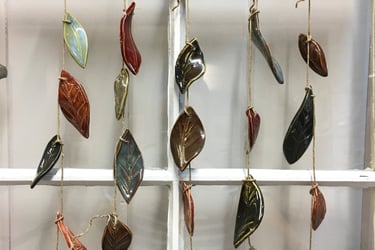
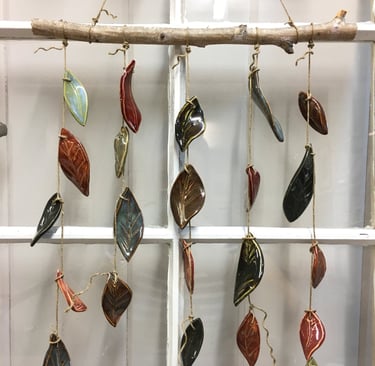
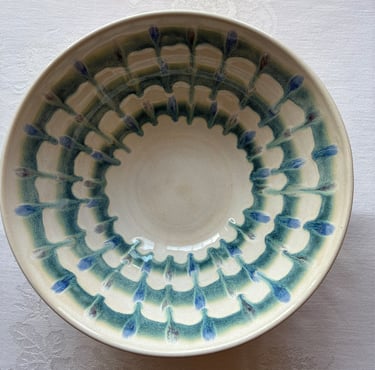
The above are images of student work from prior years. They include slab rolled, wheel thrown, and hand built pieces. We have found that students enjoy slab rolling and hand building more than wheel throwing. Wheel throwing takes a lot of practice. We have three potter's wheels for those who want to work with wheel throwing. We sold three other wheels as we reduced the size of the wheel throwing area. No one was using the wheels, everyone was hand building. We also have devices to make it easier to wheel throw such as the strong arm device that makes centering and opening easier. It takes the place of strong muscles in the arm. We have slab rollers and extruders that make hand building fun and easy. We have hundreds of glazes and underglazes. The pattern in the first image above left, bowl in center, was done with underglazes. We use commercial glazes and underglazes since there is a very large variety of glazes available and they are easier for students to use. Commercial glazes are also food safe and labeled that way.
Slip Casting
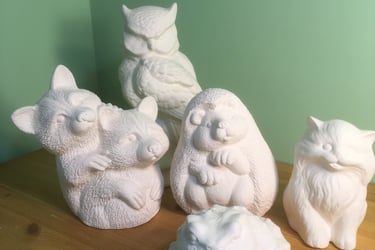
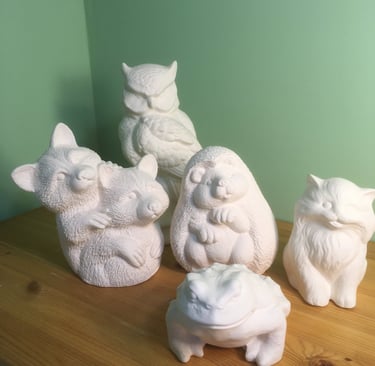
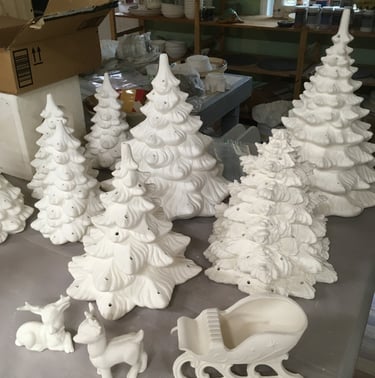
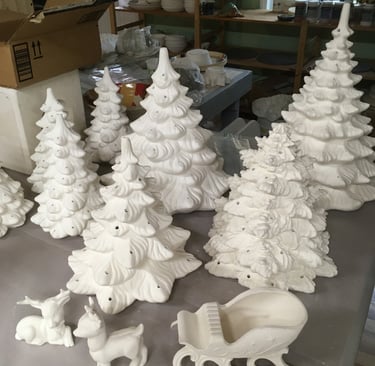
Slip casting is a technique that uses a liquid clay solution called slip to cast a shape such as a tree using a plaster mold. The piece is then partially dried in the mold, removed from the mold, trimmed, left to dry again, bisque fired, glazed, and glaze fired. Plaster molds absorb water from the slip leaving a partially dried covering over the inside of the mold. That covering is generally about 1/8 of an inch thick or slightly thicker. The liquid slip inside of the mold is then poured out leaving the thin layer of partially dried clay in the mold. That layer is then left to dry until the mold can be removed leaving the internal partially dry shape intact. The piece is then trimmed so that it is ready to be fired in the kiln. The fired shape is called bisque. The bisque is glazed with glazes both colored and clear. It is then fired to become the finished piece.
Wheel Throwing and Glazing Techniques for Stoneware and Earthenware
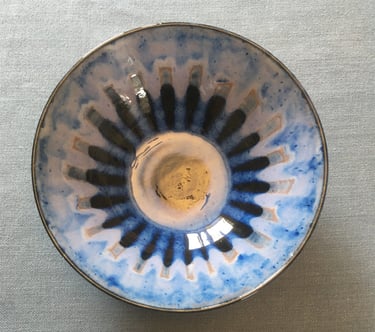
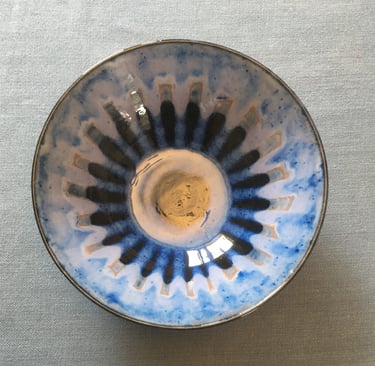
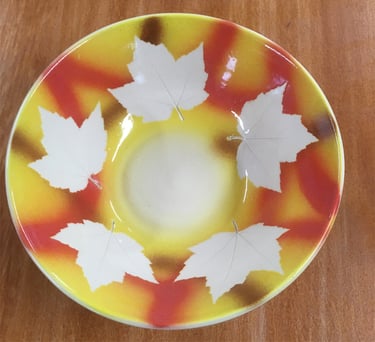
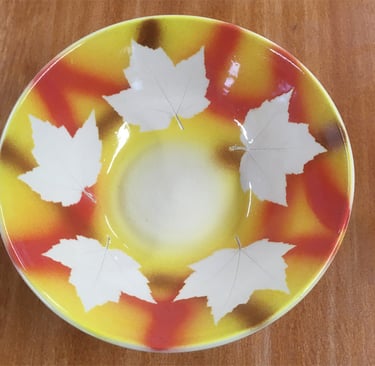
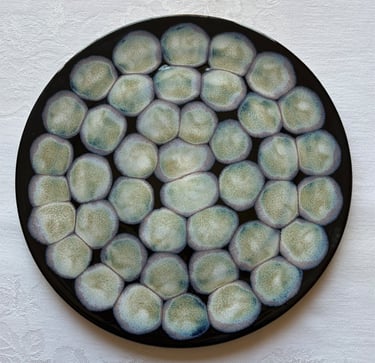
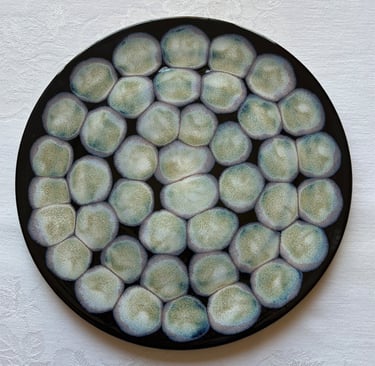
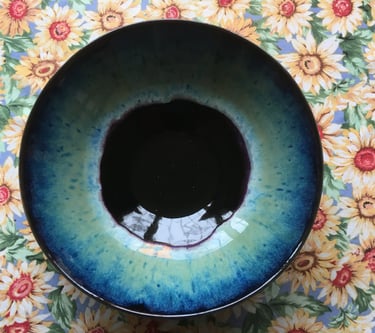
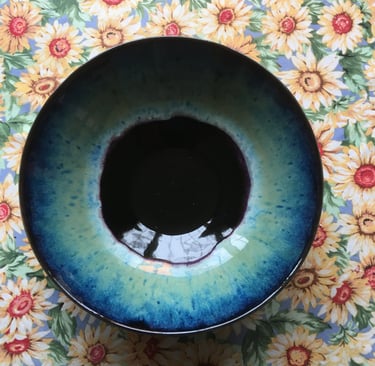
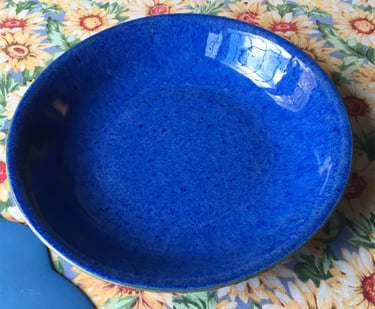
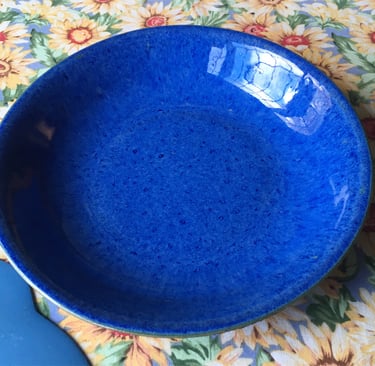
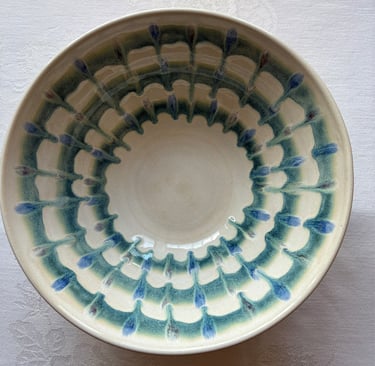
In the past potters made their own glazes. Eventually over the last 20 years commercial glazes developed a wide variety of colors and characteristics that have made potters go wild with their techniques. Being retired I have had the time to try many commercials glazes and many techniques. It is simply fun to try various techniques: brightly colored glazes, translucent glazes, glaze layering, glaze combinations, flux glazes that run, underglazes, dipping glazes, spraying glazes, spit glazing, crazing glazes, glazes with large particles that melt during firing, peacock glazing, frozen pond glazing, confetti glazing, and on and on. Over the years pottery has become my way of relaxing. It can be the same for you. The glaze makes the piece.
Glazing Commercial Purchased or Studio Cast Earthenware Slip Bisque
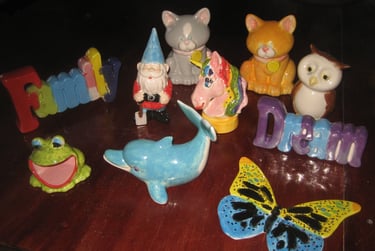
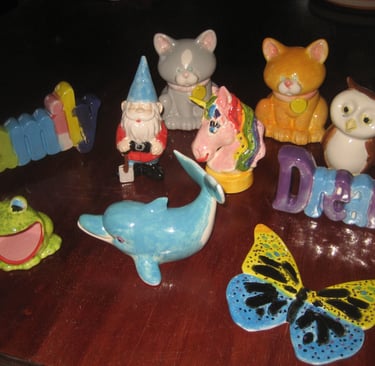
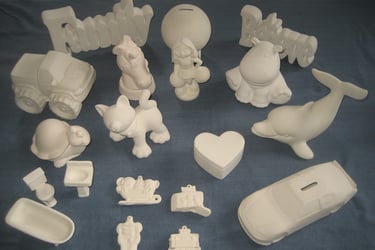
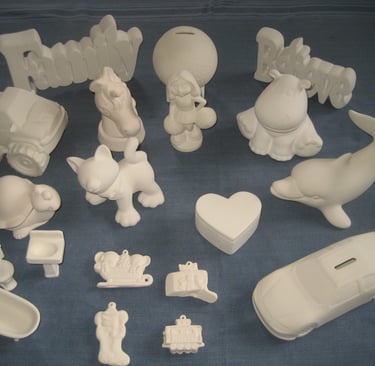
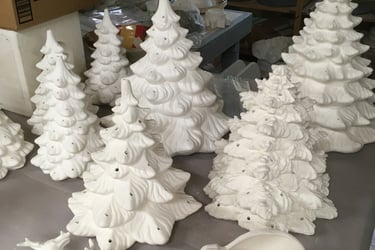
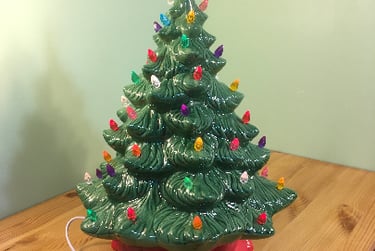
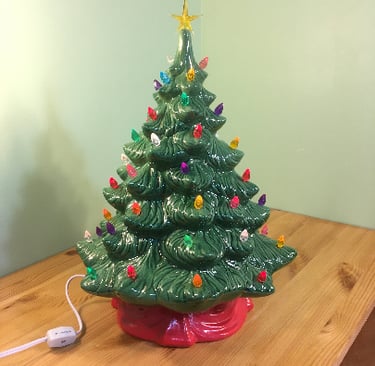
The above images are of finished pieces and bisque that students, both adults and children, have worked on in our studios. Pieces are painted with underglazes or glazes and then fired in our kilns. The first images are pieces done by a girl scout troop in our studios. The picture was taken right before the girls came to the studios to pick up their finished work. The two middle pictures are of bisque that is used for glaze and underglaze painting. The last picture is of a finished 17 inch Christmas tree with lights that shine from the light bulb inside the tree. Bisque is made using slip casting. We have two slip casting machines and purchase some bisque pieces from Gare a bisque supplier.
Contacts
donaldjoy@joyceramics.com
(413) 768-1229